With so many pieces of literature out in the world, stories
and characters are bound to repeat. Or at least share some sort of
similarities. Intertextuality is the act of borrowing of ideas from other
texts, meaning that “there is no such thing as a wholly original work of
literature,” according to Foster. The difficult part is being able to
successfully identify which piece of literature the similarity originated from.
Foster mentions that it takes practice to develop an instinct for
intertextuality, but once you have read a fair amount of literature, you will
begin to discover subtle signs that indicate borrowed literary ideas. Foster
relates his story about mushroom hunting with his father to an experience the
reader might have with hunting for intertextuality in the future. He explains
that he used to have trouble identifying mushrooms, but as he went hunting for
mushrooms more and more often, he found it easier and easier to identify the
different types of mushrooms. This is the same when attempting to identify
intertextuality in literature. Once you get enough practice with literature and
become more familiar with a variety of different texts, the easier it becomes
to identify literary elements and which specific sources they derived
from. I can relate to this concept on a
personal level through my artwork.
When you first begin to study art and you
take your first art class, you will probably be very confused and intimidated
by all of the technical terms and rules. However, once you begin to see examples
of the terms and pieces of art, you will little by little begin to understand
the concepts more clearly. Eventually, you’ll be able to identify these terms
and rules in other people’s art without any hesitation, or better yet, you will
be ready to create your own art with these terms and rules. The key is
familiarity and practice. Another thing about art is that like literature,
everything is copied. Artists seek inspiration from other artists, and they do
this by going to the museum or visiting art galleries to discover new ideas,
techniques, or styles they like to incorporate into their own art. Although
artist might visit these places simply to appreciate the work of other artists,
once out eyes see something, that image is processed into our minds and into
our subconscious memory. Therefore, when an artist sits down to begin their
next piece, without even realizing it, they create something that has been
influenced by art that they saw earlier that week at the museum. Like art,
literature is sometimes influenced by other literature on accident. The writer
may have been unintentionally inspired by a text that they’ve read in the past.
However, sometimes the writer purposefully writes a work of literature with a
character or plot line that is similar to ones from previous works of
literature because he/she was influenced by the elements of another writer.
Reusing textual elements from previous pieces of literature into more recent
ones keeps writing classic and preserves the exceptional qualities of prior literary
works. Monday, September 28, 2015
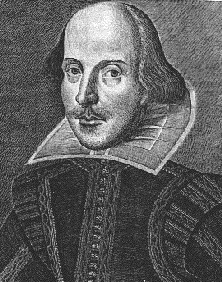
How To Read Literature Like A Professor: "When in doubt, it's from Shakespeare..."
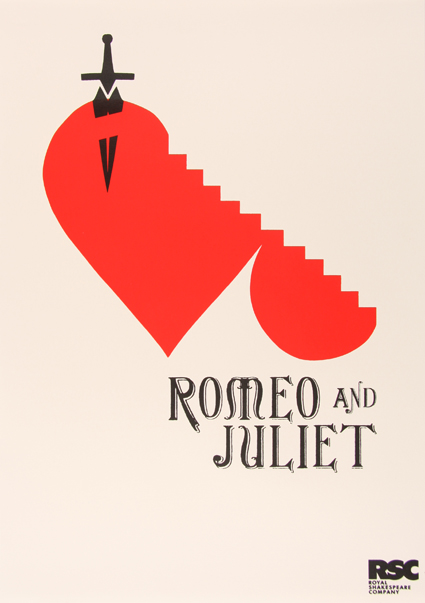
Romeo and Juliet is one of Shakespeare’s more famous plays, so there is no doubt why it is the basic story line to hundreds of other stories. One of the most notorious movies of all time has Shakespearian elements from the play. There are several parts from Titanic that resemble Romeo and Juliet’s relationship. The most obvious element is the forbidden love of social status. There is also a more suitable person who is more acceptable in the eyes of society, but of course not in the eyes of the characters they are more in love with the person who no one wants to see them with but they don’t care. The endings both share the same tragic story line where one of the lovers dies and the other lover is either left heartbroken or chooses not to live without their soul mate. There are several writers who base their stories off of this play.
How To Read Literature Like a Professor "Hanseldee and Greteldum" Blog
When looking for inspiration for their writing, canonical sources such as works of Shakespeare or T.S. Elliot are common sources of text that writers may references. However, sources of literature are not the only places writers tend to reference. In fact, many people are less familiar with literature and therefore might fail to recognize the reference. While some readers might recognize the authors’ influence from literature, they may be turned off by the formal style, see it as trying too hard, or find it too complex to comprehend. When searching for text to reference that is well known, well written, and somewhat canonical, “kiddie lit,” as Foster puts it, is a perfect place for writers to look.
Everyone knows the stories of Snow White and Sleeping Beauty. We read the books and watched the movies on repeat as kids. We know the characters, which ones are bad. We know the story lines. How it began. How it ended. They are the most recognizable stories for everyone, and people would surely be able to identify exactly which fairytale the reference came from. With more complex stories from literature however, it is more difficult for the reader to understand the motives behind certain characters, the literal meaning behind certain symbols, or the reason for the plot structures. One might not recognize these elements in a story they read if they’re not very familiar with the literature it came from. With fairytales however, we have all pretty much memorized the stories so well that they’re carved into our minds. Therefore we will be able to immediately point out a reference to Alice’s Adventures in Wonderland or Snow White in a movie or book we read. When writers borrow these plots, characters, or symbols, they don’t identically recreate the fairytale as their own, but they simply use small portions and use it in their own writing to create a subtle parallel to a certain story. The most common elements that may be borrowed from fairytales include a young girl who is probably innocent and naïve, a young woman who will serve as the love interest (usually forbidden), an evil antagonist who creates difficulty for the main character, some sort of task or journey, and usually an indication of poverty or royalty.
One example of how a fairytale was used to create ‘inter textuality’ within another text is Phantom of the Opera’s influence from Beauty and the Beast. This fairytale, originally written in 1746 by Jeanne-Marie Leprine de Beaumont, has since been made into a Walt Disney classic in 1991. There are obvious similarities between the two texts such as characters, plots, and symbols. In both texts, there are men with physical imperfections who are ashamed with their outer appearance, so they attempt to shield themselves from the outside world. They are both angry because of the way they are conceived to be as by others due to their appearance, of course they both have beautiful women for which each deformed man falls in love with, and despite the hideous outer appearances from these deformed men, the woman is never afraid. They both end with reassurance from the woman that she loves the man regardless of his appearance. Although there are many differences in the details of the text, the basic elements are the same. The reason for the writers use of ‘inter textuality’ in this case was to highlight the theme that is substance before beauty, and perhaps the reason a person could be so cruel is an extension from the initial issue of not being loved. Showing kindness and love towards that person can transform bitterness into affection. Although there is some irony in the fact that a fairytale was used to inspire such a sophisticated opera, it affectively achieved its purpose of using ‘inter textuality’ from fairytales to highlight an overall theme of a story.
Everyone knows the stories of Snow White and Sleeping Beauty. We read the books and watched the movies on repeat as kids. We know the characters, which ones are bad. We know the story lines. How it began. How it ended. They are the most recognizable stories for everyone, and people would surely be able to identify exactly which fairytale the reference came from. With more complex stories from literature however, it is more difficult for the reader to understand the motives behind certain characters, the literal meaning behind certain symbols, or the reason for the plot structures. One might not recognize these elements in a story they read if they’re not very familiar with the literature it came from. With fairytales however, we have all pretty much memorized the stories so well that they’re carved into our minds. Therefore we will be able to immediately point out a reference to Alice’s Adventures in Wonderland or Snow White in a movie or book we read. When writers borrow these plots, characters, or symbols, they don’t identically recreate the fairytale as their own, but they simply use small portions and use it in their own writing to create a subtle parallel to a certain story. The most common elements that may be borrowed from fairytales include a young girl who is probably innocent and naïve, a young woman who will serve as the love interest (usually forbidden), an evil antagonist who creates difficulty for the main character, some sort of task or journey, and usually an indication of poverty or royalty.
One example of how a fairytale was used to create ‘inter textuality’ within another text is Phantom of the Opera’s influence from Beauty and the Beast. This fairytale, originally written in 1746 by Jeanne-Marie Leprine de Beaumont, has since been made into a Walt Disney classic in 1991. There are obvious similarities between the two texts such as characters, plots, and symbols. In both texts, there are men with physical imperfections who are ashamed with their outer appearance, so they attempt to shield themselves from the outside world. They are both angry because of the way they are conceived to be as by others due to their appearance, of course they both have beautiful women for which each deformed man falls in love with, and despite the hideous outer appearances from these deformed men, the woman is never afraid. They both end with reassurance from the woman that she loves the man regardless of his appearance. Although there are many differences in the details of the text, the basic elements are the same. The reason for the writers use of ‘inter textuality’ in this case was to highlight the theme that is substance before beauty, and perhaps the reason a person could be so cruel is an extension from the initial issue of not being loved. Showing kindness and love towards that person can transform bitterness into affection. Although there is some irony in the fact that a fairytale was used to inspire such a sophisticated opera, it affectively achieved its purpose of using ‘inter textuality’ from fairytales to highlight an overall theme of a story.
Subscribe to:
Posts (Atom)