
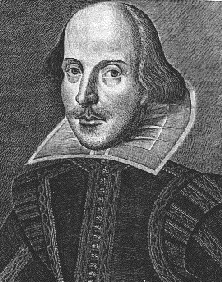
“The stories are great, the characters compelling, the language fabulous,” It’s no wonder why so many writers borrow ideas from the amazing works of William Shakespeare. The work of work of Shakespeare is so flawless and so universal, it’s almost like a sacred text. Everyone knows Shakespeare. Everyone recognizes his literature. He’s the legend of literature. Of course other writers are going to use his text for reference or inspiration. This is where writers of our era get their influence from: flawless writers from previous eras.
The ‘intertextuality’ between the two eras comes from this appreciation and inspiration more current writers have for the work of Shakespeare. These writers don’t borrow his ideas simply because they’re lazy and can’t come up with any original plot lines or characters. They do it to highlight features in their own work. There might be a character from one of Shakespeare’s plays that would work perfectly to complete the story of a current writer’s text or a specific ending Shakespeare wrote that a writer might be inspired to resuscitate to become more modern.
It might be hard to believe that Shakespeare’s writing is still somehow relatable in the twenty first century, however this is the challenge for the writer: learn how to rework characters or messages from the fifteen hundreds (1500s) into 21st century modern day writing. This exploration between the two eras makes the writing new and more interesting. It is left up to tee writer how they want to alter the text from Shakespeare to make it fresh and unique.
The irony about this ‘intertextuality’ is that it is new yet original while creating a fresh new story yet holding onto the classic elements derived from Shakespeare. This ‘intertextuality’ between the eras is what continues to maintain the legacy from sacred writers such as Shakespeare, and keep them relevant by incorporating their ideas into today’s writing for people to recognize and be able to identify. For example, there are thousands of books, movies, and plays that reference Shakespeare, but especially the romance genre, as Romeo and Juliet is often portrayed.

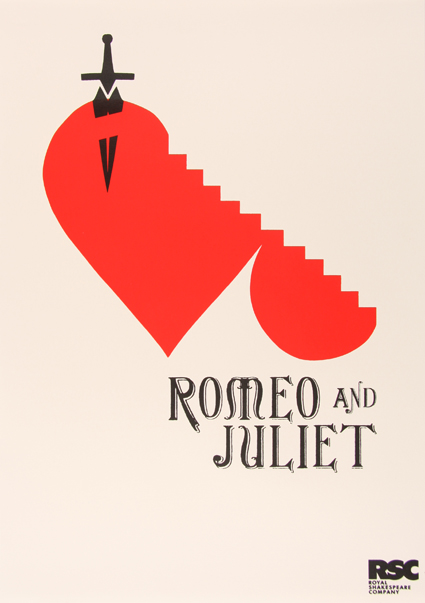
Romeo and Juliet is one of Shakespeare’s more famous plays, so there is no doubt why it is the basic story line to hundreds of other stories. One of the most notorious movies of all time has Shakespearian elements from the play. There are several parts from Titanic that resemble Romeo and Juliet’s relationship. The most obvious element is the forbidden love of social status. There is also a more suitable person who is more acceptable in the eyes of society, but of course not in the eyes of the characters they are more in love with the person who no one wants to see them with but they don’t care. The endings both share the same tragic story line where one of the lovers dies and the other lover is either left heartbroken or chooses not to live without their soul mate.
There are several writers who base their stories off of this play.

Nicholas Sparks probably has the most obvious / successful inspiration from Romeo and Juliet within several of his books/movies such as The Notebook, A Walk to Remember, The Best of Me and several others that all share Shakespearian elements but with a modern day twist. These are perfect examples of how intertextuality can re-emerge classics such as those from writers of previous eras and bring them to modern culture through popular movies and books which one day may be looked back on as being classics themselves.


No comments:
Post a Comment